Software engineer, David Glazer[1] is leading the campaign to have your DNA stored on Cloud. Google Genomics started around eighteen months ago, consulting scientists and working towards engineering an API that allows genetic data to be moved onto servers. It would enable an index to track billions of users in the name of science and medical breakthroughs via DNA.
The Wall Street Journal reported midyear that a patient’s genetic code would be less than a gigabyte and ‘economical’ to store on the Cloud platform. If a concept such as DNA storage is utilized, then large volumes of data can be collated onto servers, giving remote access to researchers. The argument presented with such a massive data intake of a person’s ‘blueprint’ would benefit the medical world. The mass storage of people’s genomes could be analyzed by hospitals and universities to get better insight into diseases such as cancer; aiding in the more suitable treatment for a person, down to a potential cure.[2]
However, with the storage comes a fee. Google has stated that it will cost around $25 per annum to store a single genome, and more to perform any computations on it.
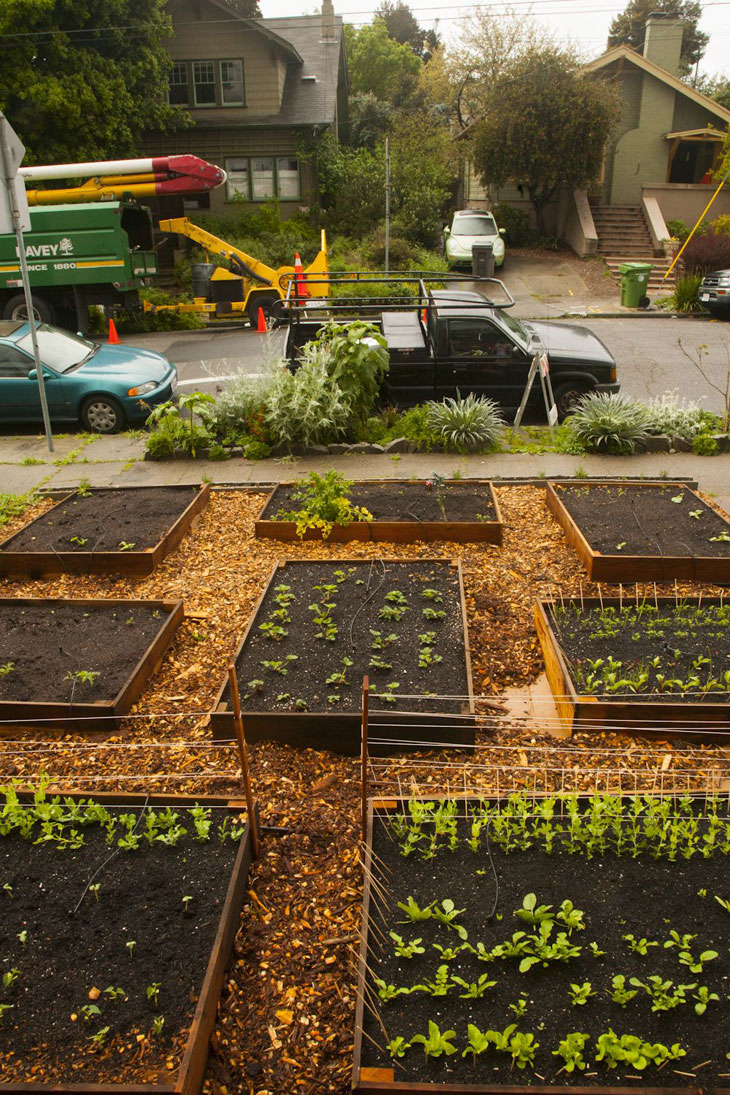
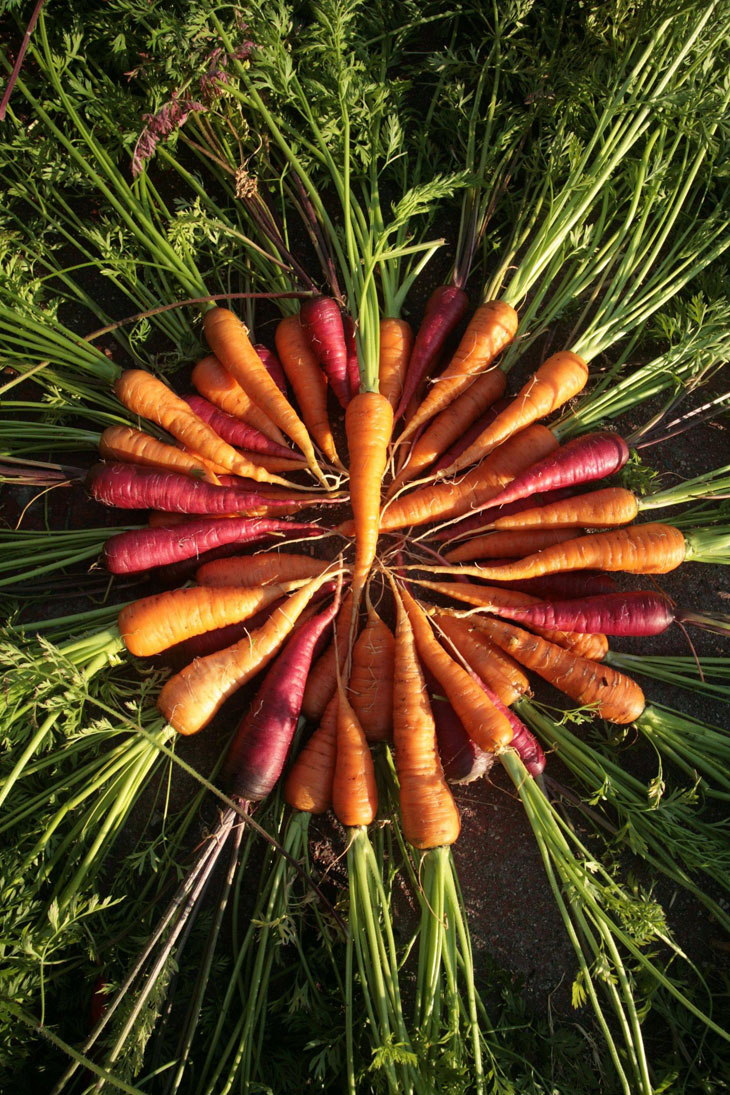
In just 60 days, this suburban front lawn was turned into a sustainable and healthy eatable garden. And there was so much yield, the guy had to give away some of his vegetables.
Yes, initial costs would have been larger than a fortnightly grocery bill, but it is the first step towards independence and healthy eating. Over time, it is also likely to reduce your food bills and even perhaps your medical ones too.
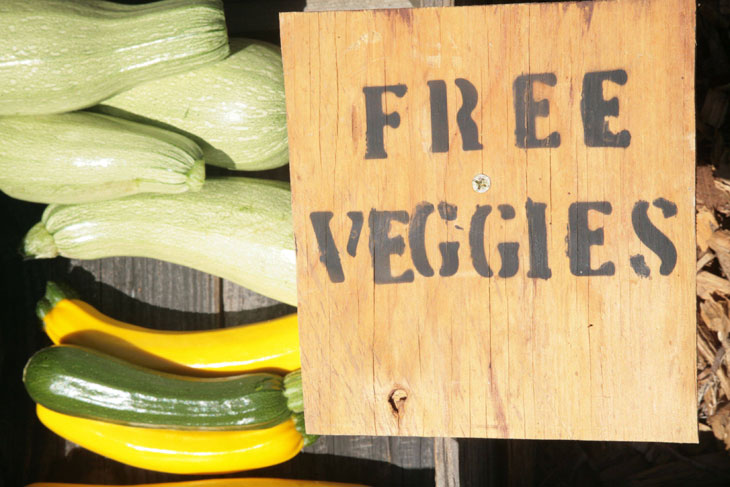
Imagine if everyone in your street did this, and all excess vegetables were free…
Here are some images. You can find more here. Other inspiring vegetable gardens can be found here.
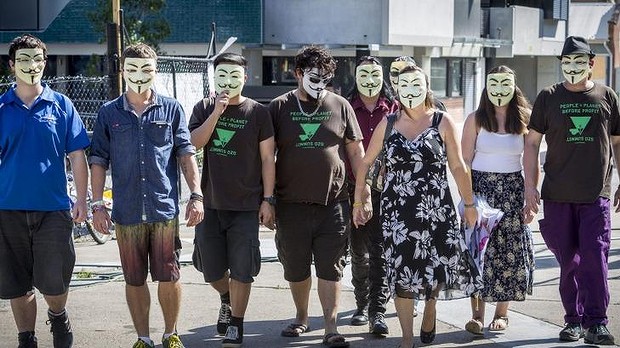
Anonymous Galactic, a branch of Anonymous, is calling on support to bombard the Twitter and Facebook hashtag #G20 and #G20Brisbane with comments to communicate that the summit’s endeavors will not be ignored.
“Over the G20 weekend, the hashtag #G20 will be smashed by the Media and on both Twitter and Facebook. We have done this before. Let’s hijack the hashtag online and show the world the truth.”
Anonymous calls upon those willing, to show their support and assist in the online protest against the summit that has dominated the financial and political agendas since the Asian and Global Financial Crisis’. It is a forum for governments and central bank authorities from twenty leading economies to investigate and instigate international coordination of economic policy.
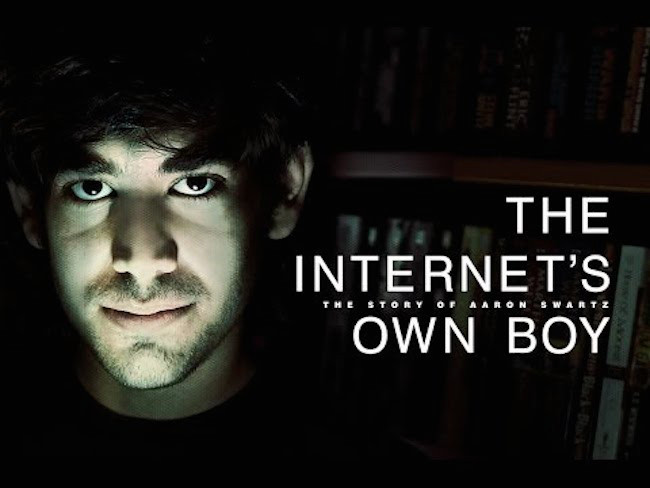
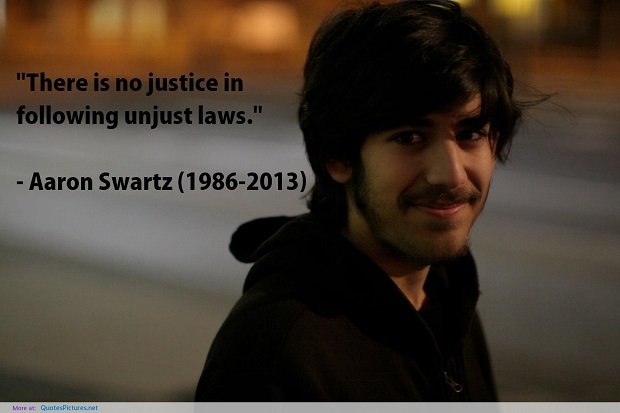
In honor of Aaron Swartz’s birthday, a hackathon was organized worldwide, spanning over 12 countries, including Berlin, San Paulo, Boston to Houston, Oxford and Buenos Aires. It was a celebration of his life, achievements and the monumental bar he set for those who want to see our world changed into a more livable place.
Swartz was a genius in his own right. A child prodigy who awkwardly blossomed into a young man with a burning desire to help people through knowledge. His belief that knowledge should be free and accessible rather than purchased online, saw him face a world of torment and trouble from the U.S government powers. Eventually, it ended in his sad and premature death.
Even though the weekend has passed for the hackathon, there is no reason to stop celebrating his life in this world. There will be more hackathons, and some are continuing past the two day timeline. The projects in these hackathons are wide and diverse, guaranteed to hold something of interest to the most savvy of hackers.
So for all you hackers, if you haven’t done so already, get online and celebrate a great life passed, in the name of unexpected innovation. [1]
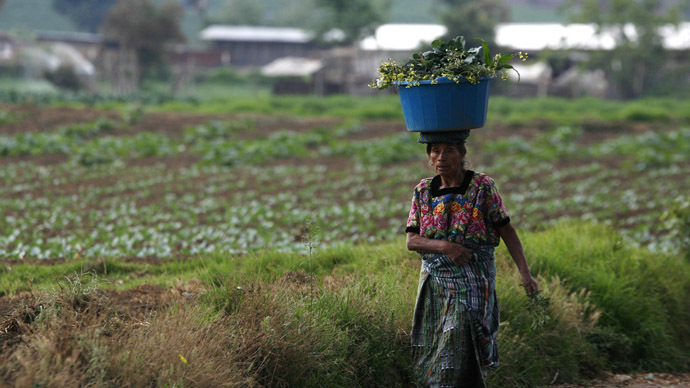
The controversial ‘Monsanto Law’ has been overturned in the High Courts of Guatemala. It’s a win that comes from a social rally of great strength in the capital of Guatemala, where organizations representing the Indigenous and peasant communities marched in large numbers in September. The social movements were in protest against the ‘Law for the Protection of New Varieties of Plants’[1] – the Monsanto Law – which Congress had passed in June. They marched for the protection of their food sovereignty; trade unions, farmers, women and children, all with a common goal to unite them. The law endeavored to privatize corn for Monsanto, taking it away from the farmers, whose ancestry is that of the Mayan.
Anyone with an inkling of historical knowledge can understand the absurdity of the law, especially in this context. But in light of the win by the Guatemala region, Monsanto is arguing that the law is required under free trade deals. Unfortunately, it won’t be long before we see a similar situation that has presented in the state of Vermont, with Monsanto suing them, to prevent GMO labelling. The trade deals Monsanto represent are a new kind of bullying that we’ve not truly witnessed until now.
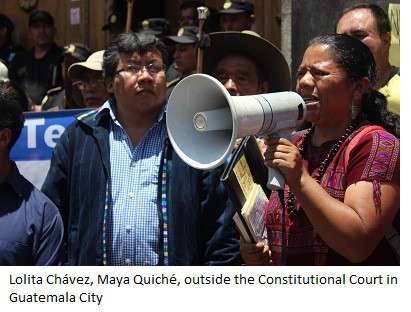
Lolita Chávez, spokesperson for the Mayan People’s Council spoke about the peaceful protests that in the end, saw the Monsanto Law not amended, but cancelled, said “Corn taught us Mayan people about community life and its diversity, because when one cultivates corn one realizes that there is a variety of crops such as herbs and medical plants depending on the corn plant as well. We see that in this coexistence the corn is not selfish, the corn shows us how to resist and how to relate with the surrounding world.”[2]
It’s the same story we hear around the world. Where there is oil, we see a battleground. In this case, it isn’t so much a war in the truest sense of the word, but it is certainly a battleground. Guatemala is incredibly rich and abundant with natural assets not found in other parts of the world. The international companies, such as Monsanto are eager to investigate, but as Sandberg states in his article, the Mayan people don’t agree with nature being sold off as a commodity. But as seen in the past, these vast companies have what it takes to remove the ‘peaceful protesters’ by whatever force necessary. The Mayan people constitute over half the population. It will be attention-grabbing to say the least, to witness how this all folds out in the future.
What one has to bear in mind is the overall meaning of this win for the world-wide population. The Monsanto Law would have granted an exclusivity on patented seeds to transnational companies. A door has been opened to confront the transnational corporations that “genetically modify and commercialize the feeding of mankind.” (Sandberg, 2014) This is a step that a culture in an impoverished society achieved in greatness. It is a ‘small’ step. One that Monsanto will try to use their bully tactics and controversial negotiation ‘skills’ to get around. But they were stopped – for now.
We too, in first world countries must follow the lead and fight for our own food sovereignty before it is too late.
This website uses cookies to improve your experience. We'll assume you're ok with this, but you can opt-out if you wish.AcceptRead More
Privacy & Cookies Policy
Privacy Overview
This website uses cookies to improve your experience while you navigate through the website. Out of these, the cookies that are categorized as necessary are stored on your browser as they are essential for the working of basic functionalities of the website. We also use third-party cookies that help us analyze and understand how you use this website. These cookies will be stored in your browser only with your consent. You also have the option to opt-out of these cookies. But opting out of some of these cookies may affect your browsing experience.
Necessary cookies are absolutely essential for the website to function properly. This category only includes cookies that ensures basic functionalities and security features of the website. These cookies do not store any personal information.
Any cookies that may not be particularly necessary for the website to function and is used specifically to collect user personal data via analytics, ads, other embedded contents are termed as non-necessary cookies. It is mandatory to procure user consent prior to running these cookies on your website.