

Home Blog Page 30

Russia’s Nightmare: Bayraktar TB2 – Why Russia Is Basically Defenseless Against Turkish Drones

0

Ankara, which has good relations with both Moscow and Kyiv, has sold dozens of its combat drones to Ukraine since 2019.

During Russia’s war on Ukraine, video footage has circulated on the internet showing the Turkish combat drone Bayraktar TB2 successfully striking the Russian army.

But as so often during heightened conflicts, it is hard to distinguish between factual events and misinformation – some videos of the drone attacks have already been exposed as the latter.

Given the chaotic events on the ground, it is almost impossible to assess how often and how successfully Ukraine has utilised its Turkish drones so far, Mauro Gilli, senior researcher in military technology and international security at ETH Zurich, told Al Jazeera.

“There have been some video footages allegedly showing the employment of the TB2. Of course, information at this point is fragmented, and it needs to be taken with caution.

“We do know that Ukraine bought some TB2 over the past years and that Turkey and Ukraine signed an agreement for the production within Ukrainian borders of the TB2 – but, as far as I know, production had not started yet.

“Allegedly, some transport aircraft delivered some drones shortly before the beginning of the hostilities with Russia,” Gilli said.

Since 2019, Kyiv has bought dozens of drones from Ankara.

They have also been used in Libya and in last year’s battle between Azerbaijan and Armenia over Nagorno-Karabakh – when the drones were used by Turkey’s ally Baku.

“The TB2 produced by the company Bayraktar is one of the two prominent armed drones produced by Turkey [the other being the Anka produced by Turkish Aerospace Industry]. It is cheaper than other Western models, but it has a good performance in key parameters [range, altitude as well as sensors and communication system],” Gilli said.

But given Russia’s strength of forces, what impact drones might have in Ukraine?

“It will very well depend on Russian air defences. Drones like the TB2 are vulnerable to anti-air defence systems. To be effective, they need to be employed in a savvy way, in coordination with other electronic warfare systems that ‘blind’ enemy radars and through appropriate tactics,” Gilli said.

“However, against capable enemies, these technologies and tactics might not be sufficient. In Libya, Russian forces figured out effective ways to counter Turkish tactics and shoot down their drones. The same [has been] observed in Syria and Nagorno-Karabakh,” he added.

“That Ukraine could strike some Russian ground forces with TB2 suggests either that Russian forces are advancing without air defence – which is very well possible, in light of the logistical and organisational problems Russia has encountered so far. Or that Ukrainian forces acquired also advanced electronic warfare systems. Whether they will have a systematic effect on the outcome of the war, it’s hard to say, but I tend to be sceptical,” said Gilli.

Regardless of their impact, the use of drones inevitably raises Turkey’s profile.

Turkish President Recep Tayyip Erdogan has maintained amicable relations with Russia and Ukraine for years, but Moscow’s invasion has complicated his balancing act.

“Turkey and Ukraine were enjoying good and friendly relations before the war,” Erdi Ozturk, associate professor in politics and international relations at London Metropolitan University, told Al Jazeera.

“Turkey has strongly supported Ukrainian independence in the 1990s. After its independence, they worked closely to establish a stable environment in the Black Sea [through] economic and military cooperation,” he said.

As far as Ankara is concerned, Russia is unlikely to change this dynamic.

“Turkey has been playing an active role with its drones, and eight trucks of humanitarian aid have been delivered to local authorities in Ukraine and neighbouring Moldova. Furthermore, in an hourlong call with Moscow [last] Sunday, Erdogan appealed for an urgent general ceasefire,” said Ozturk.

4 Ways China is Quietly Stabbing Putin’s Back During Ukraine War

0

China is quietly distancing itself from Russia’s sanction-hit economy.

The two states proclaimed last month that their friendship had “no limits.” That was before Russia launched its war in Ukraine.

Now, with Russia’s economy being slammed with sanctions from all over the world, there is growing evidence that China’s willingness and ability to aid its northern neighbor may be limited. Beijing has refused to condemn Russia’s attack on Ukraine but wants to avoid being impacted by the sanctions it has repeatedly denounced as an ineffective way of resolving the crisis.

“China is not a party to the [Ukraine] crisis, and doesn’t want the sanctions to affect China,” Foreign Minister Wang Yi said Tuesday during a phone call with his Spanish counterpart.

Beijing also gave its full backing Wednesday to comments made earlier this week by China’s ambassador to Ukraine. “China will never attack Ukraine. We will help, especially economically,” Fan Xianrong was quoted as saying in a press release from the Lviv regional government.

Fears that Chinese companies could face US sanctions over ties with Russia had contributed to an epic sell-off in Chinese stocks recent days. That slump was reversed Wednesday when Beijing promised it would pursue policies to boost its sputtering economy and keep financial markets stable.

US officials told CNN on Monday that they have information suggesting China has expressed some openness to providing Russia with requested military and financial assistance. China dismissed that as “disinformation.”

Analysts say that China is attempting to strike “a delicate balance” between supporting Russia rhetorically but without further antagonizing the United States.

Beijing and Moscow share a strategic interest in challenging the West. However, Chinese banks cannot afford to lose access to US dollars, and many Chinese industries cannot afford to be deprived of US technology.

While China is Russia’s No. 1 trading partner, Beijing has other priorities. Trade between the two countries made up just 2% of China’s total trade volume. The European Union and the United States have much larger shares, according to Chinese customs statistics from last year.

Here are some measures Beijing has taken in the last few weeks to distance itself from the isolated and crumbling Russian economy.

Letting the ruble drop

China’s currency, the yuan, doesn’t trade completely freely, moving instead within bands set by officials at the People’s Bank of China (PBOC). Last week, they doubled the size of the ruble trading range, allowing the Russian currency to fall faster.

The ruble has already lost more than 20% of its value against both the dollar and euro since the start of the war in Ukraine. By allowing the Russian currency to fall against the yuan, Beijing isn’t doing Moscow any favors.

Russians will have to pay more in rubles for Chinese imports such as smartphones and cars. Chinese phone brands like Xiaomi and Huawei are hugely popular in Russia, and were vying with Apple (AAPL) and Samsung (SSNLF) for market leadership before the war.

Chinese car makers, such as Great Wall Motor and Geely Auto, occupy 7% of Russia’s market, selling more than 115,000 vehicles last year. Great Wall Motor has stopped supplying new cars to dealers in Russia because of the exchange rate fluctuations.

Expanding the trading band would allow the yuan to keep up with the ruble’s wild swings, so that Chinese companies can “better grasp the magnitude or trend of future exchange rate fluctuations and reduce exchange risks by using hedging methods, such as derivatives,” state-owned China Business Network reported last week.

Currently, about $25 billion of China-Russia trade is conducted in yuan, Chinese state media reported.

Sitting on reserves

The most significant help China could offer Russia is through the $90 billion worth of reserves Moscow holds in yuan, wrote Alicia García-Herrero, chief economist for Asia Pacific at Natixis, in a research report on Tuesday.

Sanctions have frozen about $315 billion worth of Russia’s reserves — or roughly half the total — as Western countries have banned dealing with the Russian central bank.

Russia’s finance minister Anton Siluanov said this week that the country wanted to use yuan reserves after Moscow was blocked from accessing US dollars and euros, according to Russia’s state media.

The PBOC has so far not made any comment about its position regarding these reserves.

If China allowed Moscow to convert its yuan reserves into US dollars or euros, “that would clearly help Russia’s current impasse,” García-Herrero noted. However, “the reputational risk of potentially breaching Western sanctions would be a huge step for the PBOC to take and therefore makes it highly unlikely,” she said.

“The long-term gains of moving closer to Russia might not match the impact of Western investors suddenly losing interest in China,” she added.

Withholding aircraft parts

Sanctions imposed by the United States and the European Union mean that the world’s two major aircraft makers, Boeing (BA) and Airbus (EADSF), are no longer able to supply spare parts or provide maintenance support for Russian airlines. The same is true of jet engine makers.

That means Russian airlines could run out of parts within a matter of weeks, or fly planes without having equipment replaced as frequently as recommended to operate safely.

Earlier this month, a top Russian official said that China has refused to send aircraft parts to Russia as Moscow looks for alternative supplies.

Valery Kudinov, head of aircraft airworthiness at Russia’s air transport agency, was quoted by Russian state news agency Tass as saying that Russia would look for opportunities to source parts from countries including Turkey and India after a failed attempt to obtain them from China.

“As far as I know … China refused,” Kudinov was quoted as saying.

In response to CNN’s request for comment, China’s foreign ministry reiterated Beijing’sopposition to sanctions adding that China and Russia will maintain “normal economic and trade cooperation.”

China and Russia set up a civil aviation joint venture in 2017 to build a new long-haul, widebody passenger plane, seeking to rival the duopoly of Boeing and Airbus. Production of the CR929 has begun, but disagreements over suppliers have caused delays. The plane was initially expected to be offered to customers in 2024. But Russia postponed the timeline to 2028 to 2029.

Freezing infrastructure investment

The World Bank has halted all its programs in Russia and Belarus following the invasion of Ukraine. It hadn’t approved any new loans or investments to Russia since 2014, and none to Belarus since 2020.

More surprisingly, perhaps, is the decision by the Beijing-based Asian Infrastructure Investment Bank to do the same. In a statement earlier this month, it said it was suspending all its activities related to Russia and Belarus “as the war in Ukraine unfolds.” The move was “in the best interests” of the bank, it added.

Frustrated by a relative lack of influence at the World Bank (based in Washington, D.C.) and the Asian Development Bank (where Japan is a major force), China launched the AIIB in 2016. In addition to hosting the headquarters, China provides the president of the bank and has 26.5% of the votes. India and Russia have 7.6% and 6% respectively.

The AIIB’s decision to suspend activities in Russia means $1.1 billion of approved or proposed lending aimed at improving the country’s road and rail networks is now on hold.

Source: https://edition.cnn.com/2022/03/17/business/china-russia-sanctions-friction-intl-hnk/index.html

US military plan to spread viruses using insects could create ‘new class of biological weapon’, scientists warn

0
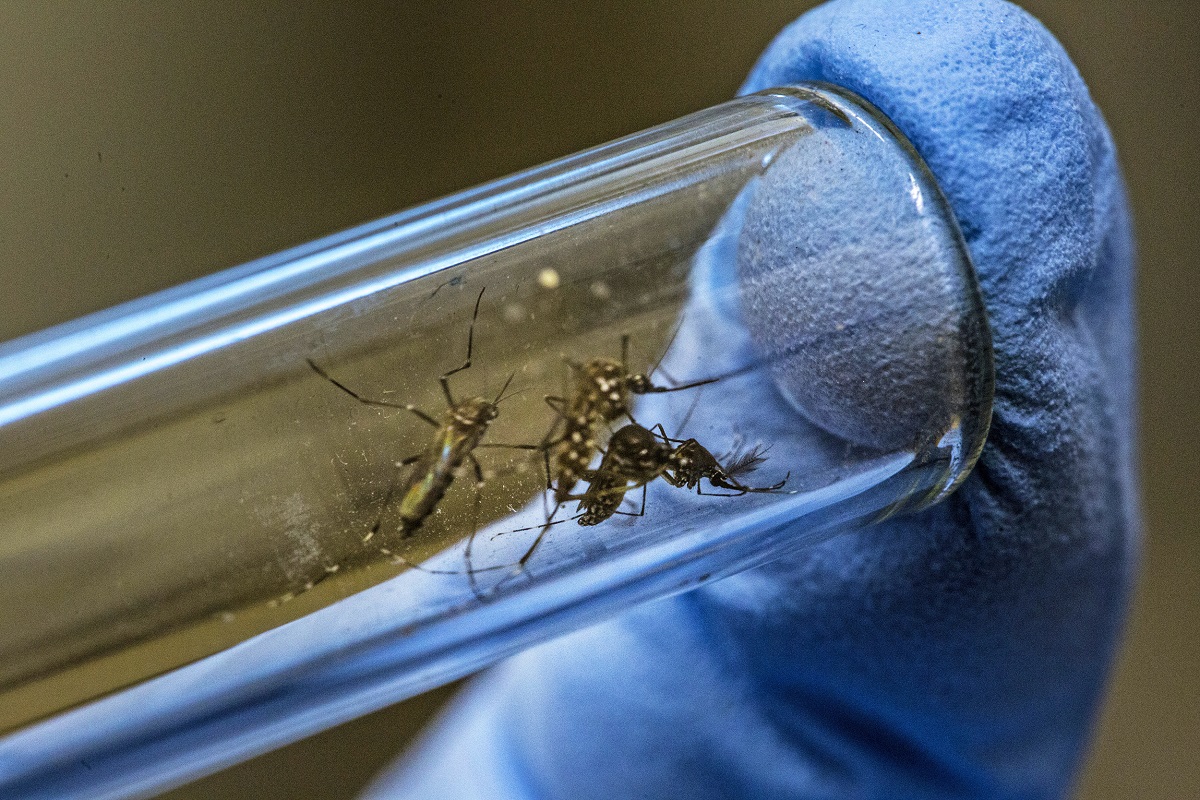
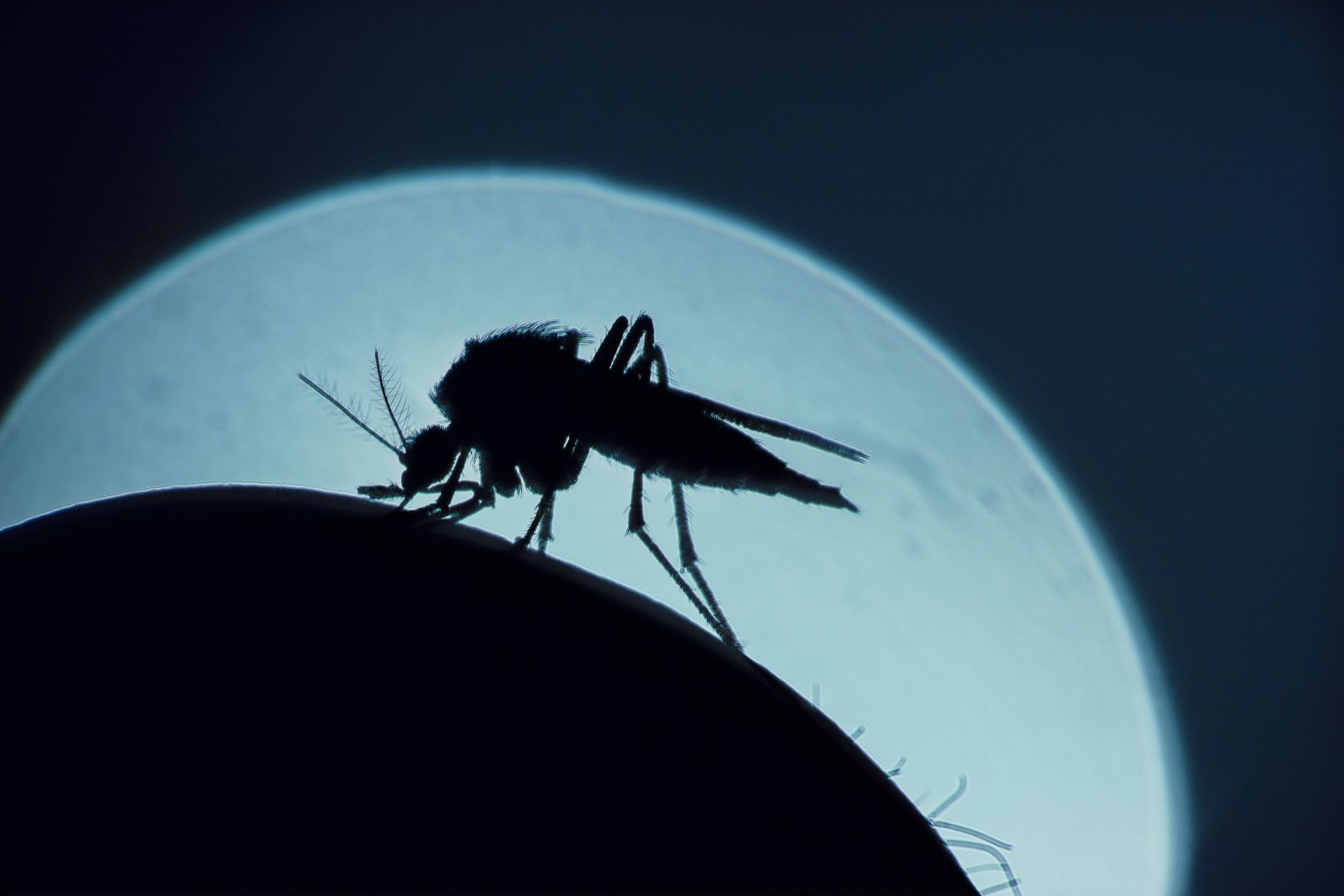
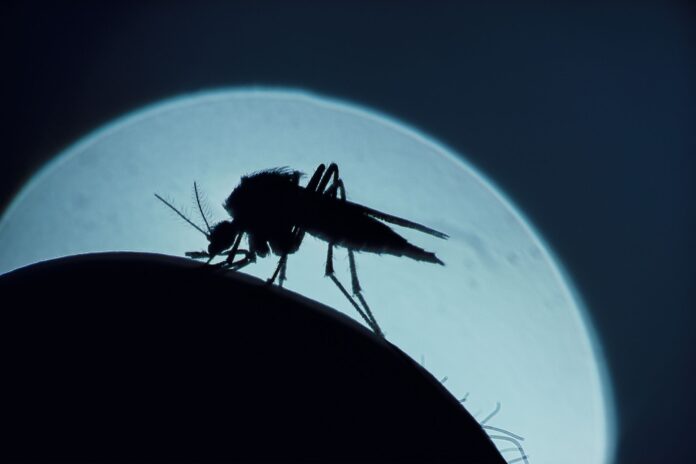
Oxitec, the biotechnology company that developed the mosquitoes, says the project’s goal is to reduce the transmission of harmful diseases -- such as dengue, Zika and yellow fever.

Agency says it is trying to genetically modify crops, but experts think this goal is ‘simply not plausible’

Insects could be turned into “a new class of biological weapon” using new US military plans, experts have warned.

The Insect Allies programme aims to use bugs to disperse genetically modified (GM) viruses to crops.

Such action will have profound consequences and could pose a major threat to global biosecurity, according to a team that includes specialist scientists and lawyers.

Insects could be turned into “a new class of biological weapon” using new US military plans, experts have warned.

However, the Defence Advanced Research Projects Agency (Darpa), which is responsible for developing military technologies in the US, says it is merely trying to alter crops growing in fields by using viruses to transmit genetic changes to plants.

In theory, this rapid engineering would allow farmers to adapt to changing conditions, for example by inserting drought-resistance genes into corn instead of planting pre-engineered seeds.

But this seemingly inoffensive goal has been slammed by the scientists, who say the plan is simply dangerous and that insects loaded with synthetic viruses will be difficult to control.

They also say that despite being in operation since 2016 and distributing $27m in funds to scientists, Darpa has failed to properly justify the existence of such a programme.

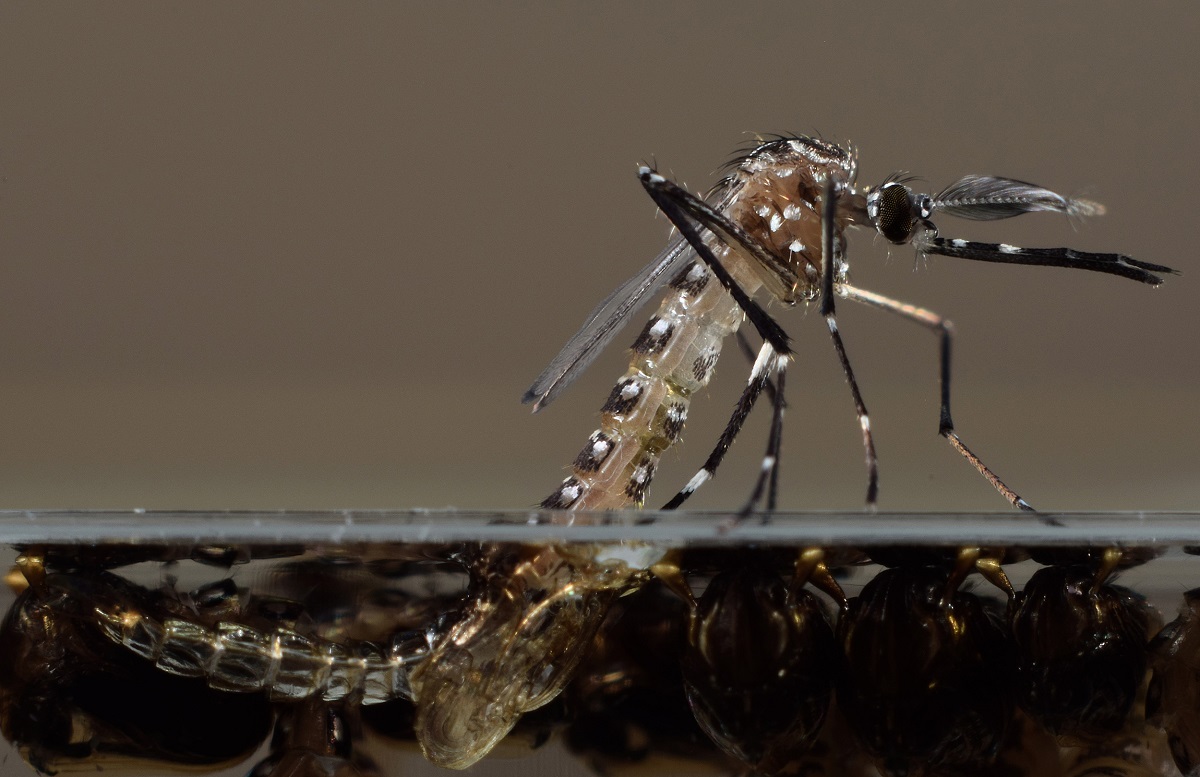
Genetically modified Aedes Aegypti mosquito pupae emerge, engineered by Oxitec. A British company that genetically engineers mosquitoes to produce “dud” offspring says it’s reduced the number of mosquito larvae by 80 percent in one small Brazilian city. They hope to expand operations now to fight Zika, dengue and other dangerous viruses.

“Given that Darpa is a military agency, we find it surprising that the obvious and concerning dual-use aspects of this research have received so little attention,” Felix Beck, a lawyer at the University of Freiburg, told The Independent.

Dr Guy Reeves, an expert in GM insects at the Max Planck Institute for Evolutionary Biology, said that there has been hardly any debate about the technology and the programme remains largely unknown “even in expert circles”.

He added that despite the stated aims of the programme, it would be far more straightforward using the technology as a biological weapon than for the routine agricultural use suggested by Darpa.

“It is very much easier to kill or sterilise a plant using gene editing than it is to make it herbicide or insect-resistant,” explains Reeves.

Google Supporting War Crimes Of Israel: The Infamous ‘Nimbus Deal’

0

Image: Israeli army soldiers prepare to fire tear gas at Palestinian demonstrators during an anti-Israel protest over tension in Jerusalem, at the Qalandiya checkpoint between Ramallah and Jerusalem. Photograph: Abbas Momani/AFP/Getty Images

“We cannot support our employer’s decision to supply the Israeli military and government technology that is used to harm Palestinians”

“We are Google and Amazon workers. We condemn Project Nimbus”

e are writing as Google and Amazon employees of conscience from diverse backgrounds. We believe that the technology we build should work to serve and uplift people everywhere, including all of our users. As workers who keep these companies running, we are morally obligated to speak out against violations of these core values. For this reason, we are compelled to call on the leaders of Amazon and Google to pull out of Project Nimbus and cut all ties with the Israeli military. So far, more than 90 workers at Google and more than 300 at Amazon have signed this letter internally. We are anonymous because we fear retaliation.

We have watched Google and Amazon aggressively pursue contracts with institutions like the US Department of Defense, Immigration and Customs Enforcement (Ice), and state and local police departments. These contracts are part of a disturbing pattern of militarization, lack of transparency and avoidance of oversight.

Continuing this pattern, our employers signed a contract called Project Nimbus to sell dangerous technology to the Israeli military and government. This contract was signed the same week that the Israeli military attacked Palestinians in the Gaza Strip – killing nearly 250 people, including more than 60 children. The technology our companies have contracted to build will make the systematic discrimination and displacement carried out by the Israeli military and government even crueler and deadlier for Palestinians.

Project Nimbus is a $1.2bn contract to provide cloud services for the Israeli military and government. This technology allows for further surveillance of and unlawful data collection on Palestinians, and facilitates expansion of Israel’s illegal settlements on Palestinian land.

We cannot look the other way, as the products we build are used to deny Palestinians their basic rights, force Palestinians out of their homes and attack Palestinians in the Gaza Strip – actions that have prompted war crime investigations by the international criminal court.

We envision a future where technology brings people together and makes life better for everyone. To build that brighter future, the companies we work for need to stop contracting with any and all militarized organizations in the US and beyond. These contracts harm the communities of technology workers and users alike. While we publicly promise to uplift and assist our users, contracts such as these secretly facilitate the surveillance and targeting of those same users.

We condemn Amazon and Google’s decision to sign the Project Nimbus contract with the Israeli military and government, and ask them to reject this contract and future contracts that will harm our users. We call on global technology workers and the international community to join with us in building a world where technology promotes safety and dignity for all.

Source: https://www.theguardian.com/commentisfree/2021/oct/12/google-amazon-workers-condemn-project-nimbus-israeli-military-contract

2 Billion Genetically Modified Mosquitoes Cleared for Release in U.S. – Researchers Warn of “Insects as Biological Weapons”

0
Genetically modified Aedes Aegypti mosquito pupae emerge, engineered by Oxitec. A British company that genetically engineers mosquitoes to produce “dud” offspring says it’s reduced the number of mosquito larvae by 80 percent in one small Brazilian city. They hope to expand operations now to fight Zika, dengue and other dangerous viruses.

British biotech firm Oxitec announced this week that it has received approval from the U.S. Environmental Protection Agency for its genetically modified mosquitoes to be released in parts of Florida and in California, following the completion of a pilot program last year. The catch is that the project is supported by the U.S. Defense Advanced Research Projects Agency (DARPA).  

DARPA

DARPA has been founded in 1958 and is developing hardware and software for the US military. Some of its developments remain hidden, while others even reach the civilian market. When an idea has reached a certain point in its development, DARPA likes to show this publicly. We also have DARPA to thank for the Internet and GPS. But the development of robots and “killer robots” is also one of DARPA’s major tasks.

Insects as a biological weapon

In 2018, British publisher The Independent reported that the U.S. military’s plan to spread viruses using insects could create a “new class of biological weapons,” scientists warn.

Dr Guy Reeves, an expert in GM insects at the Max Planck Institute for Evolutionary Biology, said that there has been hardly any debate about the technology and the programme remains largely unknown “even in expert circles”.

He added that despite the stated aims of the programme, it would be far more straightforward using the technology as a biological weapon than for the routine agricultural use suggested by Darpa.

The modified male insects are designed to produce infertile offspring, ideally reducing local populations and rates of mosquito-borne illness.

Oxitec, the biotechnology company that developed the mosquitoes, says the project’s goal is to reduce the transmission of harmful diseases — such as dengue, Zika and yellow fever.

2.4 billion genetically modified Mosquitoes to be released in California & Florida

The male mosquitoes developed by Oxitec—codenamed species OX5034—are derived from Aedes aegypti, a notorious carrier of many diseases, including Zika, dengue, and yellow fever. When these mosquitoes mate with the native females in an area, they’re said to produce female larvae that simply die off before reaching adulthood, thus dooming the population as a whole. And because only female mosquitoes bite and suck blood from humans, the modified insects are thought to pose no danger to people.

Last year, following approval from the EPA and local authorities, Oxitec launched a pilot program to release millions of these mosquitoes in select areas of Florida, in collaboration with the Florida Keys Mosquito Control District. On Wednesday, Oxitec said that the EPA had issued an approval for the Florida program to continue, as well as approval for a new program in California. The EPA’s decision allows for more than 2 billion mosquitoes to be released across the two states.

California’s first lab-grown mosquitoes may take flight — stirring controversy

“Our team is immensely proud to have received yet another milestone approval from the EPA. This expansion of our U.S. efforts reflects the strong partnerships we’ve developed with a large and diverse range of stakeholders at the local, state and national levels,” said Grey Frandsen, CEO of Oxitec, in a statement from the company.

Oxitec’s method is the latest example of what’s known as the sterile insect technique, which has previously been used to eradicate or reduce populations of other harmful pests, such as screw flies. But the program hasn’t come without controversy. Some residents in Florida have long protested the release of the mosquitoes, while some groups have maintained that they could pose unknown environmental or health risks. Others have argued that the EPA and local agencies haven’t done enough to ensure the complete transparency of the project.

A paper in September 2019 drew lots of attention for claiming to show that a small percentage of the offspring produced by Oxitec’s mosquitoes in Brazil had indeed survived and were spreading their genes to the rest of the population. But the paper was soon criticized by other scientists for a lack of compelling evidence supporting these claims, and an expression of concern from the journal’s editors, laying out many of these alleged flaws, was attached to the paper by March 2020.

Meanwhile, Oxitec’s released data has shown that its programs do significantly reduce the local mosquito population, and Brazil formally approved the use of these mosquitoes in 2020. The EPA, for its part, continues to state that the release of modified mosquitoes into communities is thought to pose no risk to people, animals, or the environment. Unrelated sterile mosquito programs elsewhere—using bacteria, not genes, to render male mosquitoes less fertile—have similarly shown success in reducing mosquito populations and rates of diseases like dengue.

While the EPA has signed off on Oxitec’s programs moving forward, the company will need additional permission from relevant local regulators, which isn’t necessarily a given. Despite having received the EPA’s go-ahead for a program in Texas to start in 2021, for instance, it ultimately didn’t happen.

Sources:

https://gizmodo.com/the-release-of-1-billion-killer-gmo-mosquitoes-has-begu-1846800665

https://www.oxitec.com/en/news/us-epa-approves-oxitec-mosquito-pilot-projects-in-california-and-florida

https://www.vice.com/en/article/pkbd8v/genetically-modified-oxitec-mosquitos-florida-texas

https://www.nature.com/articles/s41598-020-62398-w

https://www.independent.co.uk/news/science/us-military-plan-biological-weapons-insect-allies-virus-crop-darpa-a8568996.html

https://www.nature.com/articles/s41598-020-62398-w

https://www.oxitec.com/en/news/oxitecs-new-friendly-aedes-aegypti-mosquito-technology-receives-full-biosafety-approval-in-brazil

https://www.cdc.gov/mosquitoes/mosquito-control/community/sit/genetically-modified-mosquitoes.html

https://gizmodo.com/a-breakthrough-trial-used-bacteria-infected-mosquitoes-1847082747

https://www.reformaustin.org/environment/why-genetically-modified-mosquitoes-wont-come-to-texas-anytime-soon/